Picture this: You’re staring at a market share chart, wondering why some companies keep pulling ahead while others fade. The answer often lies in competitive advantage examples, real strategies that help some businesses outperform for years, while rivals struggle to keep up. In this article, you’ll get 15 company stories that show exactly how an edge is built, why it lasts (or doesn’t), and what you can learn for your own business.
Key takeaways
- Competitive advantage comes from cost, differentiation, scale, networks, and more.
- Examples from Apple, Walmart, Netflix, and others reveal what makes an edge sustainable.
- Many advantages erode over time, constant innovation is critical.
- You can spot and build your own edge using these real-world lessons.
What are competitive advantage examples?
Competitive advantage examples show how companies outperform rivals using strategies like cost leadership, unique products, scale, or networks, helping them win market share and profits. These edges may last for years or erode quickly if not protected or refreshed. A competitive advantage is an attribute or strategy that lets a business deliver greater value or lower costs than competitors, leading to superior performance (Investopedia).
How do companies build a sustainable competitive advantage?
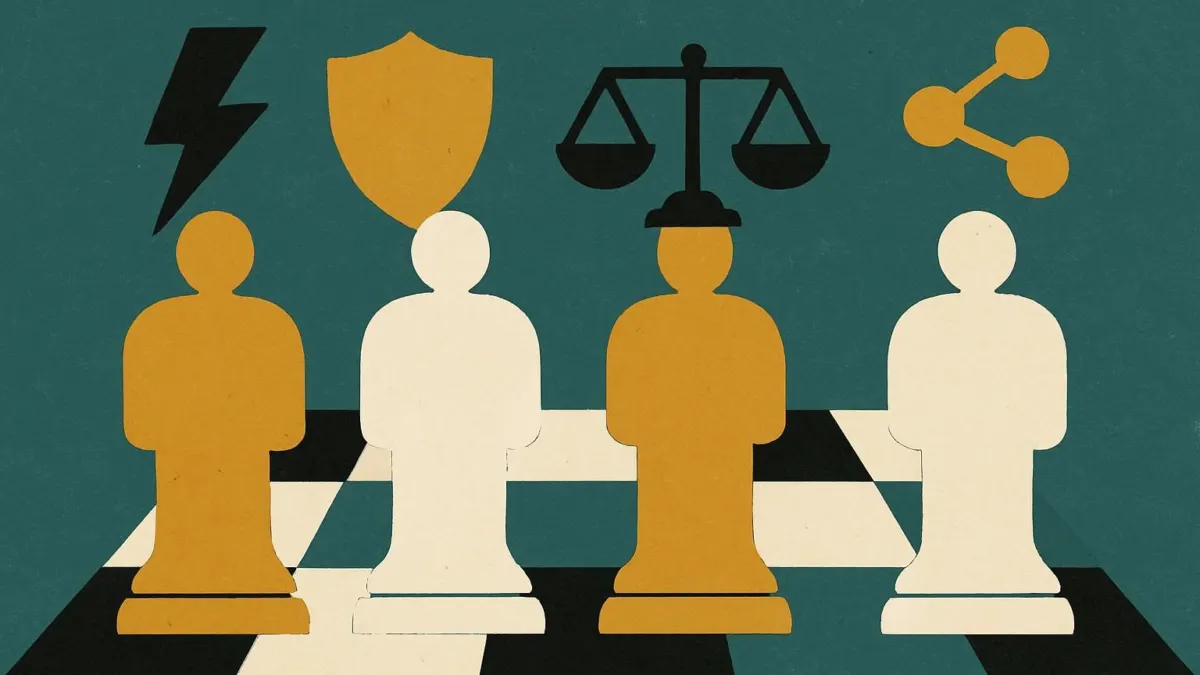
The most common ways companies build a sustainable competitive advantage are through cost leadership, product differentiation, network effects, and brand power. A sustainable edge lasts over time, resisting imitation or market shifts (Qualtrics).
To build a lasting edge, companies usually:
- Control costs better than rivals (cost advantage)
- Offer products or services with unique features (differentiation)
- Create switching costs or network effects
- Invest in brand reputation and customer loyalty
- Scale up to drive down unit costs or improve access
But even the best advantage can erode if competitors catch up or market needs change (McKinsey).
What are the most common types of competitive advantage?
There are three main types: cost advantage, differentiation, and network-based advantages. Each type is built differently and lasts for different reasons (Competitive Intelligence Alliance).
| Type | How it works | Example company |
|---|---|---|
| Cost advantage | Lower production or delivery costs | Walmart |
| Differentiation | Unique product or service features | Apple |
| Network/scale effects | Value rises with more users or bigger size | Netflix, Facebook |
Some companies combine these. For example, Amazon uses both cost leadership and massive scale to compete (Competitive Intelligence Alliance).
15 competitive advantage examples of companies (with why their edge lasts or erodes)
Below are fifteen companies, their strategic edge, and what makes it endure, or fade. These examples are drawn from real-world cases and expert analysis (Competitive Intelligence Alliance) (Crayon) (Harvard Business School) (Clientify).
| Company | Type of Edge | Why It Lasts (or Not) |
|---|---|---|
| Apple | Differentiation, Brand | Strong ecosystem, design, and brand loyalty, but premium pricing is vulnerable to imitators |
| Walmart | Cost Advantage, Scale | Massive buying power and logistics keep costs low; hard for rivals to match scale |
| Netflix | Network Effects, Data | More subscribers fund better content, but edge shrinks as competitors catch up |
| Amazon | Scale, Cost, Logistics | Huge logistics network and low prices; edge depends on constant innovation |
| Airbnb | Network Effects | More hosts attract more guests, but legal and trust risks remain |
| Coca-Cola | Brand, Distribution | Global brand recognition and shelf presence; hard to dislodge |
| Southwest Airlines | Cost, Culture | Simple fleet and team culture keep costs down; can be copied over time |
| Patagonia | Differentiation, Values | Eco-friendly positioning builds loyalty, but depends on authenticity |
| Microsoft | Switching Costs, Scale | Office and Windows are embedded in business; cloud rivals are rising |
| Toyota | Process, Scale | Lean manufacturing and global reach; process edge can be studied and matched |
| Network Effects, Data | Dominates search through user data; regulators and new tech could erode position | |
| Warby Parker | Differentiation, Customer Experience | Direct-to-consumer model and design; others now copy the approach |
| Zara (Inditex) | Speed, Supply Chain | Fast fashion and agile supply chain; edge relies on constant trend spotting |
| Nike | Brand, Innovation | Emotional brand and athlete partnerships; faces strong rivals |
| Tesla | Innovation, Brand | Tech appeal and first-mover EV advantage; traditional automakers are catching up |
How do cost advantage and economies of scale work in practice?
Cost advantage means producing goods or services at a lower cost than competitors, often by scaling up. Economies of scale are cost savings from increased production, think buying in bulk or running bigger factories (Investopedia).
For example, Walmart uses its size to negotiate lower prices from suppliers, passing savings to customers. This makes it tough for smaller retailers to match Walmart’s prices (Investopedia).
- Negotiate better terms due to high volume
- Automate or streamline logistics
- Invest in large-scale technology or distribution
However, if a competitor finds a way to deliver value at lower costs, the edge can shrink fast.
What are differentiation and brand-based competitive edge examples?
Differentiation means offering a product or service that stands out in a way customers care about. A strong brand can reinforce this, making it hard for others to compete (Competitive Intelligence Alliance).
Apple’s devices are known for their design, user experience, and ecosystem. Even though iPhones are expensive, many US phone owners choose them because they value the unique features and status (Competitive Intelligence Alliance).
Other examples include:
- Patagonia’s eco-friendly image attracts loyal buyers
- Nike’s emotional branding and athlete endorsements
- Zara’s fast fashion and trend responsiveness
Differentiation can fade if trends shift or competitors copy the idea, so companies must keep innovating and reinforcing their story.
How do network effects and switching costs create a lasting edge?
Network effects mean the value of a product rises as more people use it. Switching costs are the barriers that keep customers from leaving for a rival (Harvard Business School).
Netflix is a classic network effect example: More viewers make it possible to invest in better content, which attracts even more viewers. Airbnb wins because more hosts bring in more guests, and vice versa. Google’s search improves as more people use it, creating a feedback loop (Harvard Business School).
Switching costs work for companies like Microsoft (Office, Windows) and Amazon (Prime), where leaving would mean losing data or benefits. But if someone makes switching easy or offers must-have features, those costs can vanish.
How do competitive advantages erode over time?
Many competitive edge examples start strong but fade as rivals catch up, technology changes, or customer needs evolve. Even the best advantages need constant attention (McKinsey).
Consider these common ways an edge erodes:
- Competitors copy or improve on your idea
- New technology or business models disrupt the market
- Customer preferences shift
- Regulations level the playing field
McKinsey research shows most advantages shrink faster than leaders expect, so companies must keep innovating and scanning the horizon (McKinsey).
“The only real competitive advantage is the one that can be renewed again and again. Don’t rest on your current edge.”
Framework: How to spot or build a competitive advantage in your business
Use this checklist to identify or create your own edge. For each area, ask if your business:
- Offers a lower cost or unique value customers care about?
- Can scale up operations or networks faster than others?
- Has a brand or customer experience hard to match?
- Creates switching costs or network effects?
Try this 4-step process:
- Analyze your strengths and your rivals’ weaknesses (see our competitive analysis guide).
- Map which type of edge you have or could build, cost, differentiation, scale, network, or switching costs.
- Pressure-test your advantage: How easy is it to copy or disrupt?
- Set up a system to innovate and adapt as the market changes.
If you want more on frameworks, see decision making frameworks and scenario planning for uncertainty.
Worked example: How Red Bull built and defends its competitive edge
Let’s walk through a real scenario. Red Bull entered the energy drink market with a new product: a small can, premium price, and bold brand story. The differentiation was clear, no one else had the same taste, look, or “gives you wings” attitude (Competitive Intelligence Alliance).
Here’s how Red Bull defends its edge:
- Constantly invests in brand and extreme sports partnerships
- Keeps the formula a secret (mild cost barrier)
- Expands distribution globally, making it the default choice in many venues
- Innovates with new products and content marketing
But competitors like Monster and Rockstar have copied parts of the playbook. Red Bull’s edge lasts by staying ahead in brand and customer experience, not just the drink itself.
What should you do next to build your own sustainable competitive advantage?
Every leader or founder should regularly assess their company’s edge. Start by reviewing the types of competitive advantage examples above. Map where your business stands: Is your advantage built on cost, differentiation, scale, networks, or switching costs? Then, ask where it could erode. Set up a process to constantly innovate and stay relevant. For more tools, browse our guides on innovation budgeting or strategic planning.
Frequently asked questions
What is an example of a competitive advantage?
A competitive advantage could be Walmart’s ability to offer lower prices than rivals due to its massive scale and supply chain efficiencies. This lets Walmart attract price-sensitive customers and maintain strong market share, making it tough for smaller retailers to compete.
What are the four competitive advantages?
The four competitive advantages are cost leadership (lowest cost), differentiation (unique value), focus (serving a niche), and network effects (value increases with more users). Companies may use one or several to outperform rivals and defend their market position.
What are the 7 competitive advantages?
Seven common sources include cost advantage, differentiation, brand strength, network effects, switching costs, distribution access, and economies of scale. Not all are used at once; companies usually focus on a few that fit their strategy and market.
What is Nike’s competitive advantage?
Nike’s edge comes from powerful branding, athlete endorsements, and constant innovation in design and technology. This emotional connection with customers keeps them loyal, even when faced with strong competitors like Adidas and Under Armour.
How can small businesses develop a competitive advantage?
Small businesses can focus on local knowledge, personalized service, niche offerings, or unique customer experiences. By excelling in one area and building strong customer relationships, they can stand out from larger competitors who may be less agile or attentive.