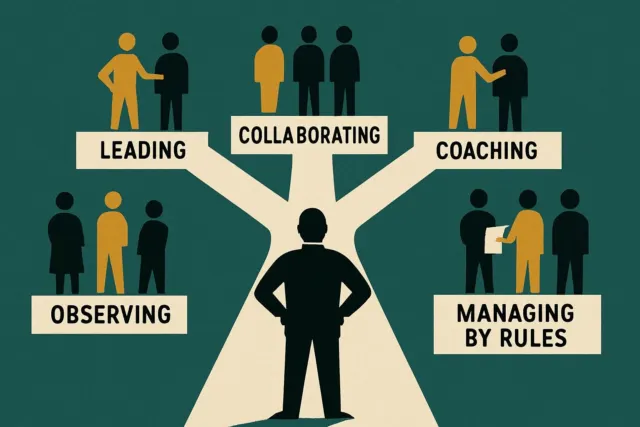
Picture this: You just wrapped a team meeting, and half your direct reports look distracted. The rest barely spoke. You wonder if your leadership is really landing or if your team’s just too polite to say what’s missing. If you’ve ever felt this, you’re not alone. The gap between how leaders see themselves and how teams experience them is real. Here’s what your team actually sees and how you can start closing that gap in a week, using the core principles of how to be a better leader at work.
Key takeaways
- Small leadership habits, visible to your team, shape trust and engagement.
- Each habit includes a one-week experiment to spark real change.
- Recognition, active listening, and clear expectations top the list.
- Regular feedback and accountability boost your credibility fast.
What are the most visible habits of a better leader at work?
The most visible habits of a better leader at work are active listening, setting clear expectations, recognizing contributions, coaching, and building trust. Teams notice these actions daily, and even small changes in these habits can significantly impact team engagement and productivity (Gallup).
How does active listening improve your leadership skills?
Active listening means giving your full attention, asking questions, and reflecting back what you hear. Teams notice when their ideas aren’t just heard, but valued.
Instead of nodding along while checking email, try this for one week: In every conversation, put devices away, repeat back a key point, and ask one follow-up. Your team will spot the difference immediately. According to Gallup, leaders who actively listen are more likely to build trust and foster engagement (source).
| Active Listening Checklist | What Your Team Sees |
|---|---|
| Maintains eye contact | Feels present and valued |
| Asks clarifying questions | Feels understood |
| Summarizes key points | Knows you’re paying attention |
How can you set clear expectations your team actually remembers?
Clear expectations mean everyone knows what success looks like. Ambiguity wastes time and breeds frustration.
For the next week, start every project kickoff or assignment with a two-minute summary of deliverables, deadlines, and who’s responsible. Then, ask each team member to recap their main task. This closes the gap between what you say and what your team hears. According to the Institute of Directors, defining and communicating clear outcomes is a hallmark of effective leadership (source).
Why does recognition matter so much for team performance?
Recognition is public or private praise for a job well done. Teams crave it and they notice when it’s missing.
Try this one-week experiment: Each day, find something specific to thank someone for. Skip generic compliments and highlight impact (“Your attention to detail made that report bulletproof.”). Recognition supports retention and engagement, as highlighted by Gallup’s research (source).
| Recognition Style | When to Use | Team Reaction |
|---|---|---|
| Public (team meeting) | Big wins or milestones | Motivated, seen |
| Private (1:1 or chat) | Personal growth moments | Valued, trusted |
How do coaching and feedback build better leaders and managers?
Coaching means helping someone grow, not just telling them what to do. Feedback is information for improvement.
This week, in your 1:1s, spend five minutes asking about your team member’s goals, not just status updates. Then, offer one piece of feedback framed as an invitation (“Would you be open to trying this approach?”). The Center for Creative Leadership notes that effective leaders help others develop their strengths (source).
What does accountability look like in daily leadership?
Accountability means following up on commitments, yours and your team’s. Teams notice when leaders hold themselves to the same standards.
For the next seven days, keep a visible list of promises (big and small) you make to your team. At week’s end, review them publicly, noting what’s done and what’s still open. This habit builds credibility fast and encourages your team to do the same.
How can you build trust quickly as a leader?
Trust building happens when your words and actions match, and when you show vulnerability.
Experiment for a week: Admit one mistake or uncertainty to your team and explain your plan to resolve it. According to a 2025 Gallup study, only 19 percent of employees strongly agree they trust their leaders, yet those who do are 3.7 times more likely to be engaged (source).
“When leaders admit their mistakes, teams become more willing to take smart risks and trust grows.”
What habits make meetings more effective for your team?
Meetings run by better leaders start and end on time, stick to an agenda, and invite input from quieter voices.
Try this for a week: Send agendas in advance, assign a timekeeper, and ask one new person to summarize action items at the end. Your team will feel meetings are productive, not performative. For more on productive meetings, see decision making frameworks for leaders.
How do the best leaders manage stress and model well-being?
Your team watches how you handle stress. Modeling healthy boundaries and self-care signals that taking care of yourself isn’t a weakness.
For one week, block 30 minutes for a break and tell your team why. Encourage them to do the same. With 46 percent of organizations increasing focus on leadership’s role in reducing burnout, this habit is more important than ever (source).
How does transparency help you become a good leader?
Transparency is sharing the why behind decisions, not just the what. Teams notice when you explain your reasoning, even if it’s tough news.
Experiment for a week: When announcing a decision, include one paragraph on how you reached it and what alternatives you considered. This builds buy-in, even with unpopular calls.
What role does curiosity play in strong leadership?
Curiosity means asking open-ended questions and exploring new ideas. Teams spot leaders who are genuinely interested in learning.
For the next week, ask one “what if?” or “how might we?” question in every team discussion. Then, spotlight one idea that comes from someone else. This approach supports a culture of innovation and learning, as discussed in innovation budget planning.
How can you make delegation a habit teams respect?
Delegation is assigning responsibility with trust, not micromanagement. Teams respect leaders who empower, not just offload.
For one week, pick one task you usually keep and delegate it, making clear why you trust the person to own it. Ask for feedback on how you can support, not control. For more, see leadership styles in management.
How does inclusive leadership show up in daily habits?
Inclusive leaders invite input from all backgrounds and make space for every voice. This is visible in who gets asked for opinions and who gets credit.
Try this for a week: Rotate who leads a stand-up or presents results. Notice whose ideas are referenced and make a point to credit them. For practical ideas, see company culture examples.
What does modeling continuous learning look like?
Continuous learning means sharing what you’re working on improving, not pretending to be perfect.
This week, share one resource (book, article, course) you’re using to learn a new skill. Ask your team what they’re learning, too. The World Economic Forum’s Future of Jobs report predicts 39 percent of core skills will change by 2030 (source).
How can you use storytelling to connect as a leader?
Storytelling in leadership means sharing real examples to make values and strategy tangible. Teams pay attention to stories, not just bullet points.
For one week, start one meeting with a story (even a short one) about a win, a lesson learned, or a customer success. Notice how engagement shifts.
How do you make these habits stick?
To make these habits stick, track one daily, ask your team for feedback, and reflect at the end of the week. Real change comes from consistency, not grand gestures.
| One-Week Habit Experiment | Team Impact |
|---|---|
| Active listening | Boosts trust, more input |
| Clear expectations | Less confusion, faster progress |
| Recognition | Higher morale, retention |
| Coaching | Growth mindset, loyalty |
| Accountability | Credibility, follow-through |
What should you do next to become a better leader at work?
Choose one habit from this list and run the one-week experiment with your team. Ask them what they noticed. Real leadership growth is visible and your team is always watching. For more on building your edge as a leader, see our guides on decision making frameworks, competitive advantage and overcoming procrastination.
Frequently asked questions
What are 5 qualities of a good leader?
Five qualities of a good leader are integrity, self-awareness, empathy, courage and adaptability. Research highlights that leaders with these traits earn trust, inspire teams and navigate challenges more effectively. Practicing these qualities daily helps strengthen your leadership skills and influence at work.
How can I improve my leadership skills at work?
Start by seeking feedback from your team, practicing active listening and recognizing others’ contributions. Set clear expectations, delegate responsibilities and model accountability. Focus on one habit at a time for a week to create noticeable improvements in your leadership style and team engagement.
What are the top 3 weaknesses of a leader?
The top three weaknesses often seen in leaders are poor communication, lack of accountability and resistance to feedback. These weaknesses can erode trust and hinder team performance. Addressing them with small, visible changes can quickly boost your leadership effectiveness.
What are the 5 C’s of leadership?
The 5 C’s of leadership are character, competence, courage, collaboration and communication. These pillars support strong leadership by encouraging ethical action, skill development, risk-taking, teamwork and clarity. Leaders who focus on these qualities foster trust and high performance.
How can I measure my progress as a leader?
Track feedback from your team, monitor engagement and retention metrics and reflect on your own growth. Set specific goals for leadership habits, ask your team for input regularly and review outcomes each quarter. Small, consistent improvements signal genuine progress to your team.